Condo Renovation v.s. House Renovation in Toronto | Key Differences Explained
Is it easier to renovate a condo or a house in Toronto?
When comparing condo renovation in Toronto and house renovation in Toronto, houses generally offer more flexibility, while condo renovations involve more restrictions. Condo projects must follow condo corporation rules, including work hours, noise limits, material delivery, and access to shared spaces. Approval is often required before construction begins, which can affect both planning and scheduling.
House renovations still require permits and inspections, but homeowners usually have more control over layout changes and construction timelines. This flexibility allows for broader renovation planning, but it also requires a clearer understanding of structure, permits, and long-term use.

Living Room (Condo)
Renovation Rules and Approval Process for Condos vs Houses in Toronto
One of the biggest differences between condo renovation and house renovation in Toronto lies in rules and approvals.
Condo renovations are governed by condo corporations. Renovation hours, noise levels, material delivery, and access to elevators are usually regulated. In most cases, formal approval is required before work can begin, and certain elements — such as structural walls or shared plumbing and mechanical systems — cannot be altered. These restrictions play a major role in shaping what can realistically be renovated within a condo unit.
House renovations allow more flexibility by comparison. While building permits and local codes still apply, homeowners generally have greater control over layout changes, scheduling, and construction methods. This flexibility makes it easier to plan renovations around long-term needs, as long as all work remains compliant with local regulations.
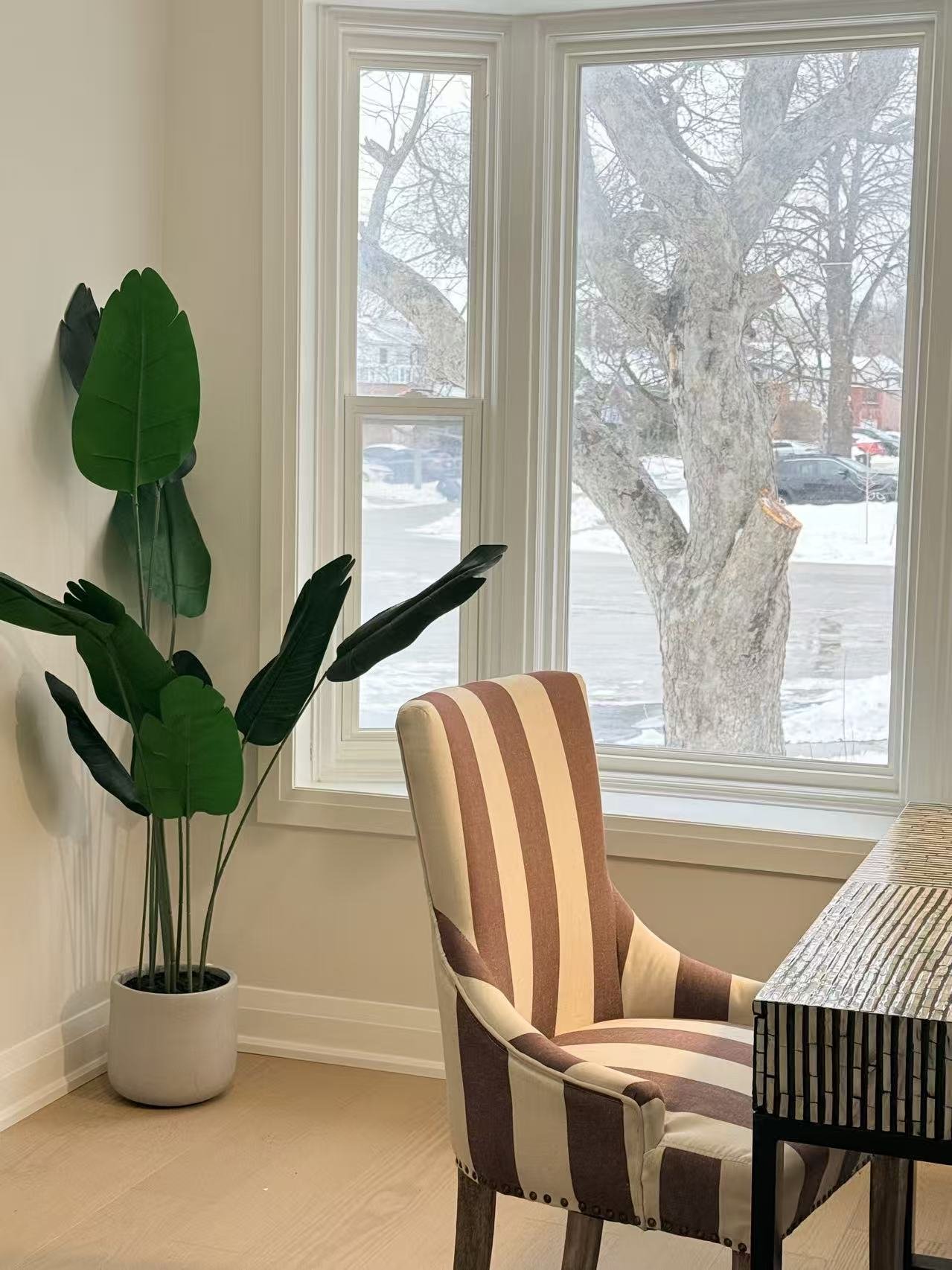
Study Room (Den - House)
How do plumbing and mechanical systems affect renovation options in Toronto?
For condo renovation in Toronto, plumbing stacks, HVAC systems, and electrical infrastructure are shared across the building. Kitchens and bathrooms typically need to remain close to existing service locations, which limits future layout flexibility and renovation options.
In house renovations, systems are usually independent. This makes it easier to relocate fixtures, upgrade mechanical systems, or adapt the home to new needs over time, such as creating home offices or reconfiguring living space.
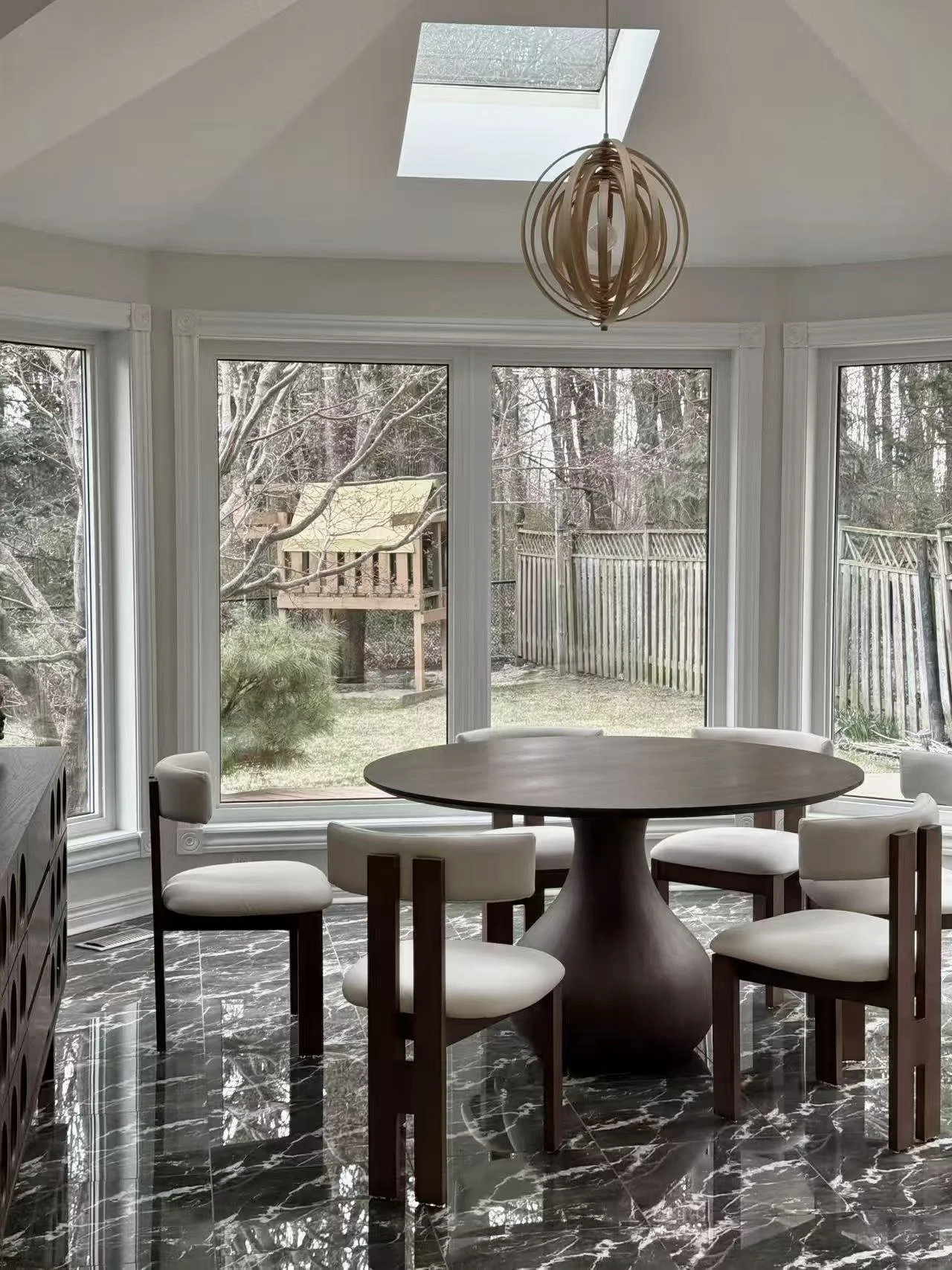
Dining Room (House)
Which option offers better long-term flexibility after renovation?
From a long-term perspective, house renovation in Toronto generally offers greater flexibility. Homes can often be renovated in phases, adjusted over time, or adapted to changing family needs. Future renovations are usually easier to plan because the structure and systems are self-contained.
Condo renovation, by comparison, tends to be more limited over time. Even after renovation, future changes remain subject to condo rules and shared building systems. While condo renovations can significantly improve livability, they are typically less adaptable long-term compared to houses.
Final Thoughts
Choosing between condo renovation and house renovation in Toronto is ultimately less about which option is better, and more about understanding what each property type allows over time. Both can deliver meaningful improvements when planned properly, but they operate under very different structural, regulatory, and long-term conditions.
A successful renovation begins with clarity — knowing the limitations, recognizing future needs, and aligning renovation decisions with how the space will be used years down the line. When homeowners approach renovation with this long-term perspective, the result is not just a completed project, but a living space that remains functional, adaptable, and relevant well beyond the initial renovation.
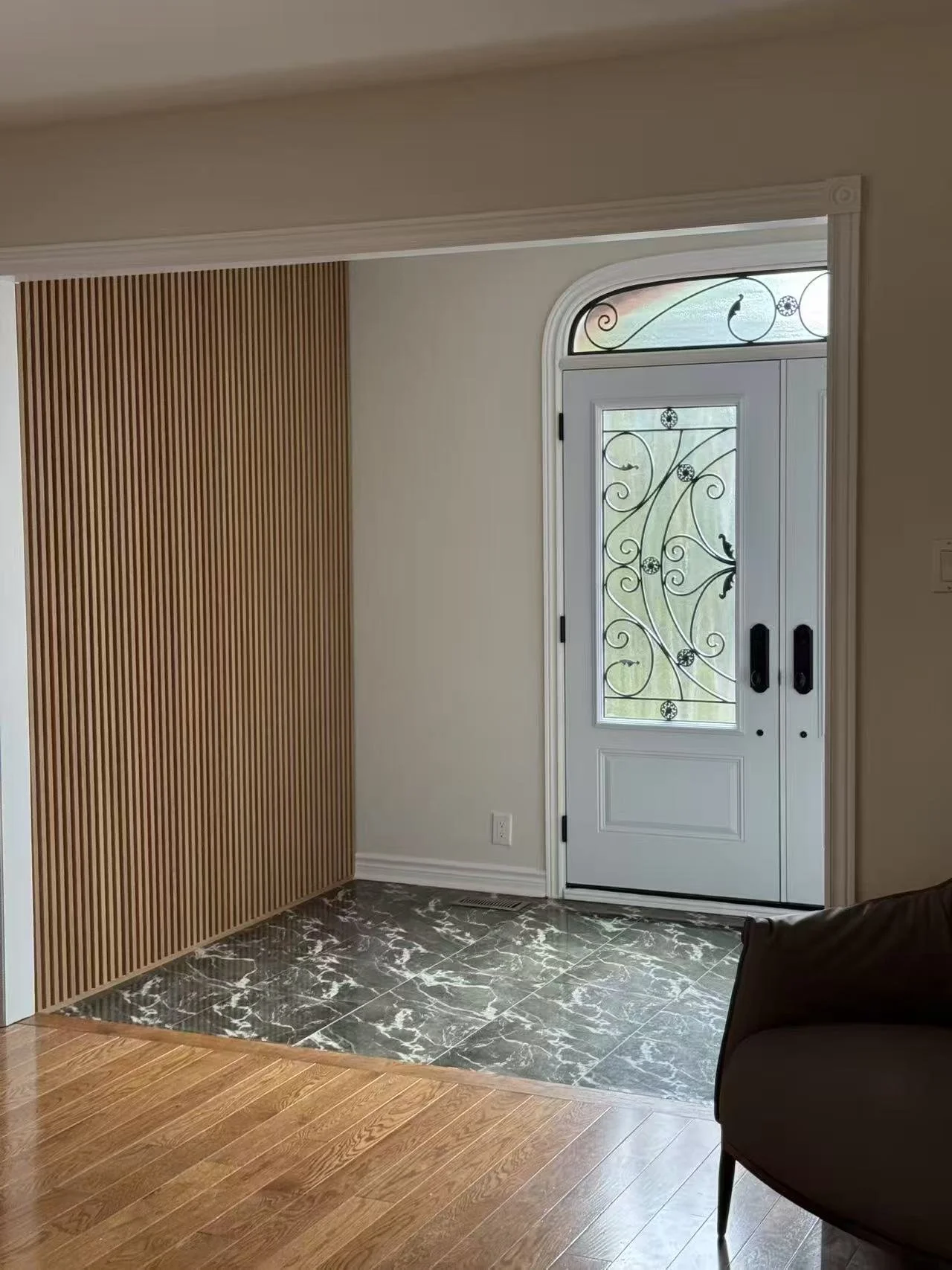
Entrance (House)
If the process still feels unclear, that’s completely normal. Many homeowners don’t start with all the answers — and they don’t need to. Whether it’s a condo or a house, working with an experienced renovation professional early on can help clarify what’s possible, identify potential challenges, and streamline the entire process from planning through construction. With the right guidance, unnecessary back-and-forth, delays, and costly missteps can often be avoided. As long as homeowners are able to clearly communicate their needs and goals, the technical details can be handled step by step, making renovation a manageable and well-supported process rather than an overwhelming one.
