Open-Concept Renovations for Older Homes in Toronto
The idea of an “open-concept” layout may still feel unfamiliar to some homeowners, especially those living in older Toronto homes. In fact, many homeowners are initially unsure whether this type of renovation is right for them. However, when it comes to renovating older houses in Toronto, many projects begin with the same challenges.
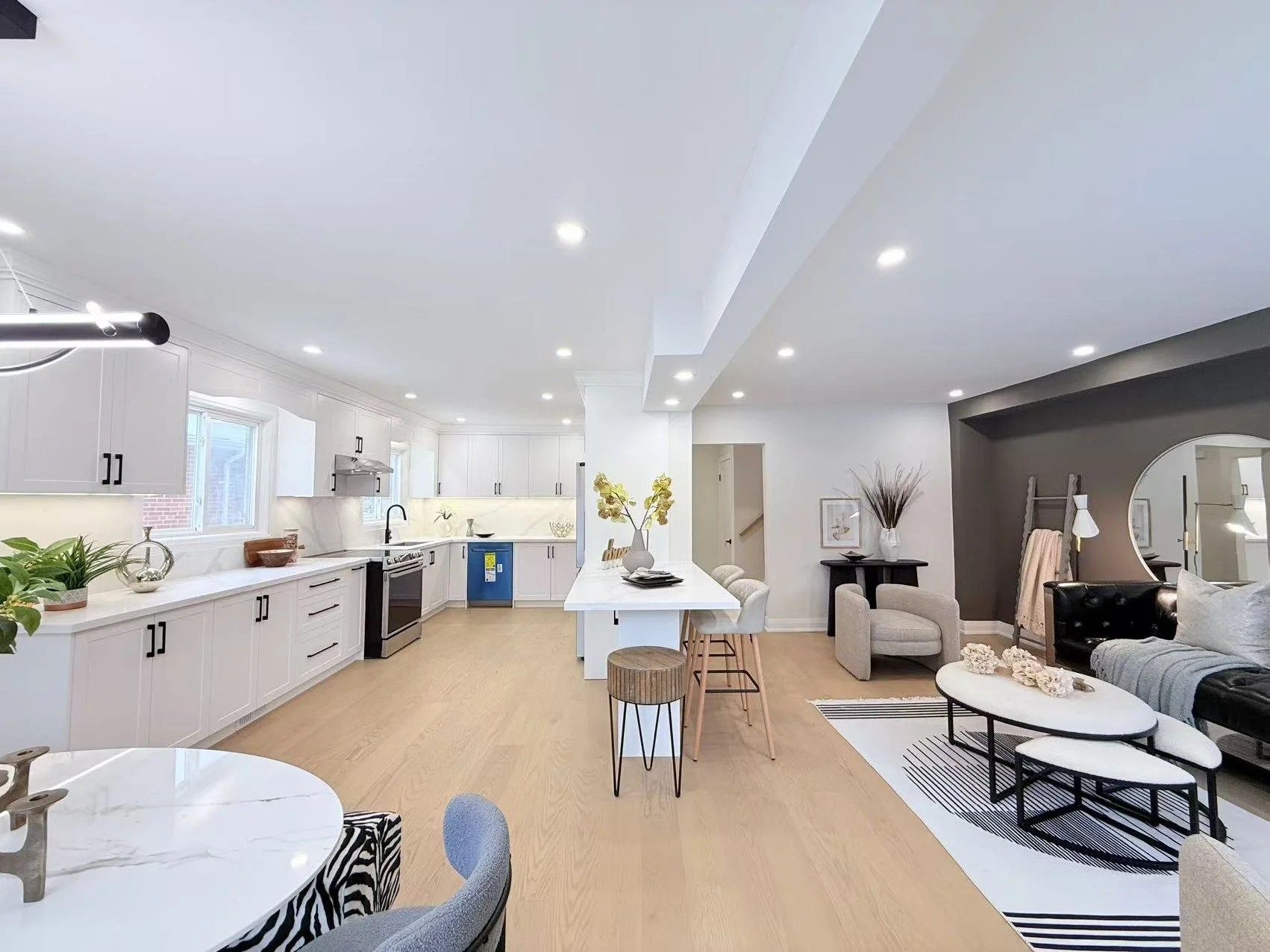
Luxury Living Room & Kitchen
Homes built decades ago were commonly designed with closed-off rooms, long hallways, and clearly divided spaces. This approach was closely tied to lifestyle preferences at the time. Older generations often valued privacy and strict functional separation — kitchens were enclosed, dining rooms were formal, and each space had a clearly defined purpose. In many older homes, it’s not unusual to find narrow corridors, small rooms, or kitchens with little to no natural light. While these layouts made sense in the past, they often feel limited by today’s standards. Many homeowners now describe these homes as dark, compartmentalized, and less suited for daily interaction among family members. As lifestyles have evolved, these closed and low-light layouts no longer meet the needs of most modern households. This is why open-concept renovations have become an increasingly popular option for owners of older Toronto homes.
While these layouts made sense in the past, they often feel limited by today’s standards. Many homeowners now describe these homes as dark, compartmentalized, and less suited for daily interaction among family members. As lifestyles have evolved, these closed and low-light layouts no longer meet the needs of most modern households. This is why open-concept renovations have become an increasingly popular option for owners of older Toronto homes.
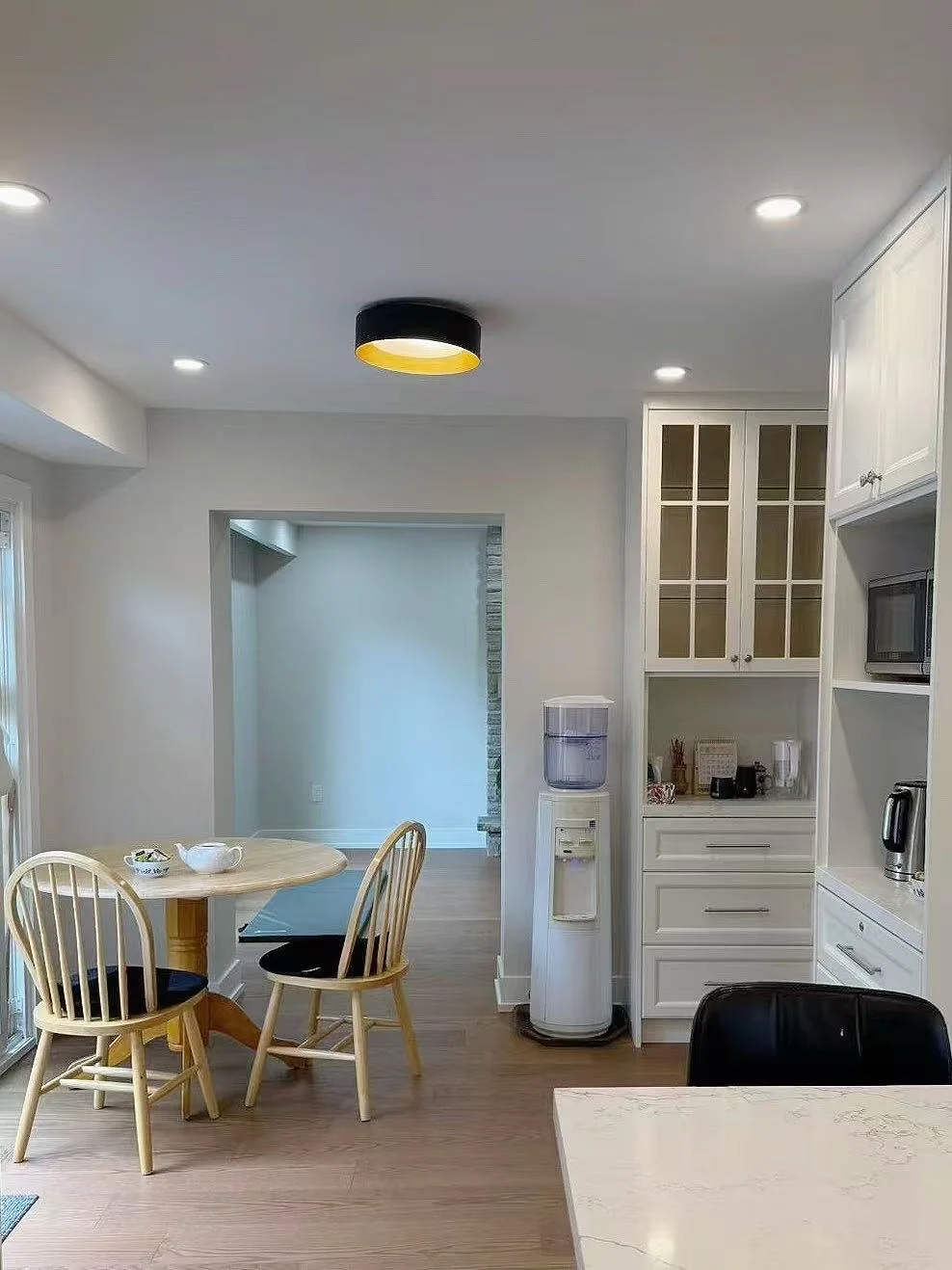
Tea Nook
From a contractor’s perspective, however, open-concept renovation is not simply about “removing a few walls.” It is a comprehensive renovation approach that requires careful evaluation of structure, circulation, lighting, and how the home is actually used day to day.
What Does an Open-Concept Renovation Actually Involve — and What Should Homeowners Do?
A true open-concept renovation does not usually mean removing every wall in the house. Instead, it focuses on rethinking the relationship between key living spaces — particularly the kitchen, dining area, and living room. The goal is to improve sightlines, circulation, and overall spatial connection, making the home feel brighter and more intuitive to use.
In practice, this may involve removing or modifying select interior walls, enlarging existing openings, or reconfiguring layouts to improve how space is used. In some cases, even without fully removing walls, adjusting the size or position of openings or adding structural beams can achieve a more open feel.
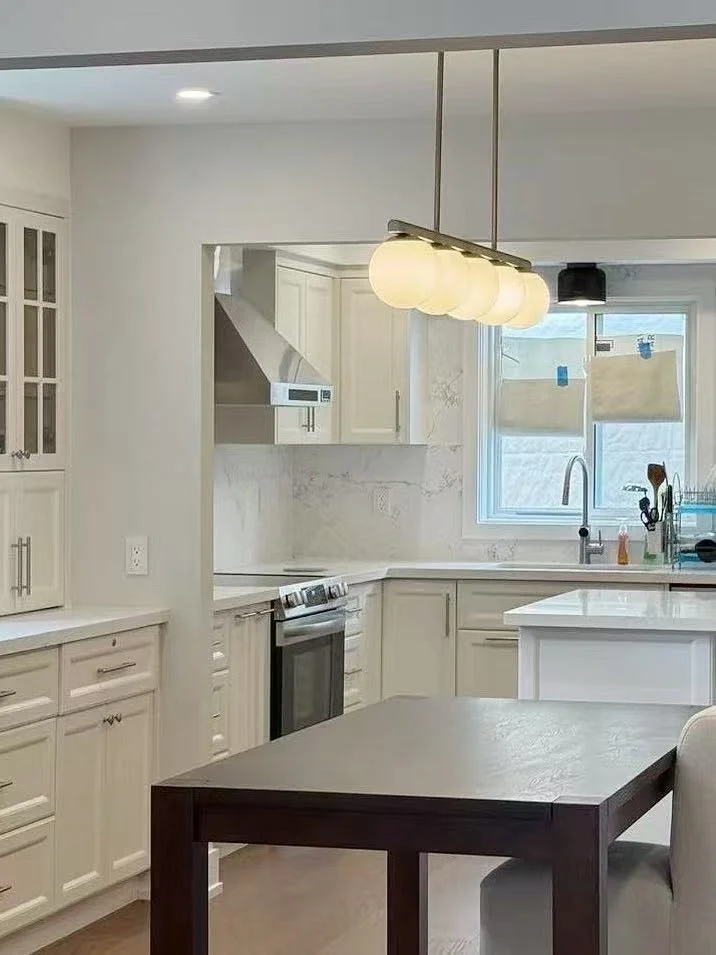
Kitchen & Dining Room Area
For older homes, one critical consideration is that some walls are load-bearing and cannot be removed without proper structural solutions. From a construction standpoint, this is where professional assessment becomes essential. Decisions about whether a wall can be removed, how it should be supported, or whether additional beams or reinforcements are required must be made carefully to ensure safety and long-term performance.
For homeowners, the first step is not deciding “which wall to remove,” but identifying the problems they want to solve — such as lack of natural light, poor flow, or disconnected spaces. From there, an experienced renovation team can assess the structure and propose open-concept solutions that balance safety, functionality, and practicality
The Benefits of Open-Concept Layouts in Older Homes
When planned properly, open-concept renovations can significantly improve the overall living experience in older homes. One of the most noticeable changes comes from improved spatial connectivity. As barriers between the kitchen, dining, and living areas are reduced, natural light can move more freely throughout the home, making previously dark or segmented spaces feel brighter and more cohesive.
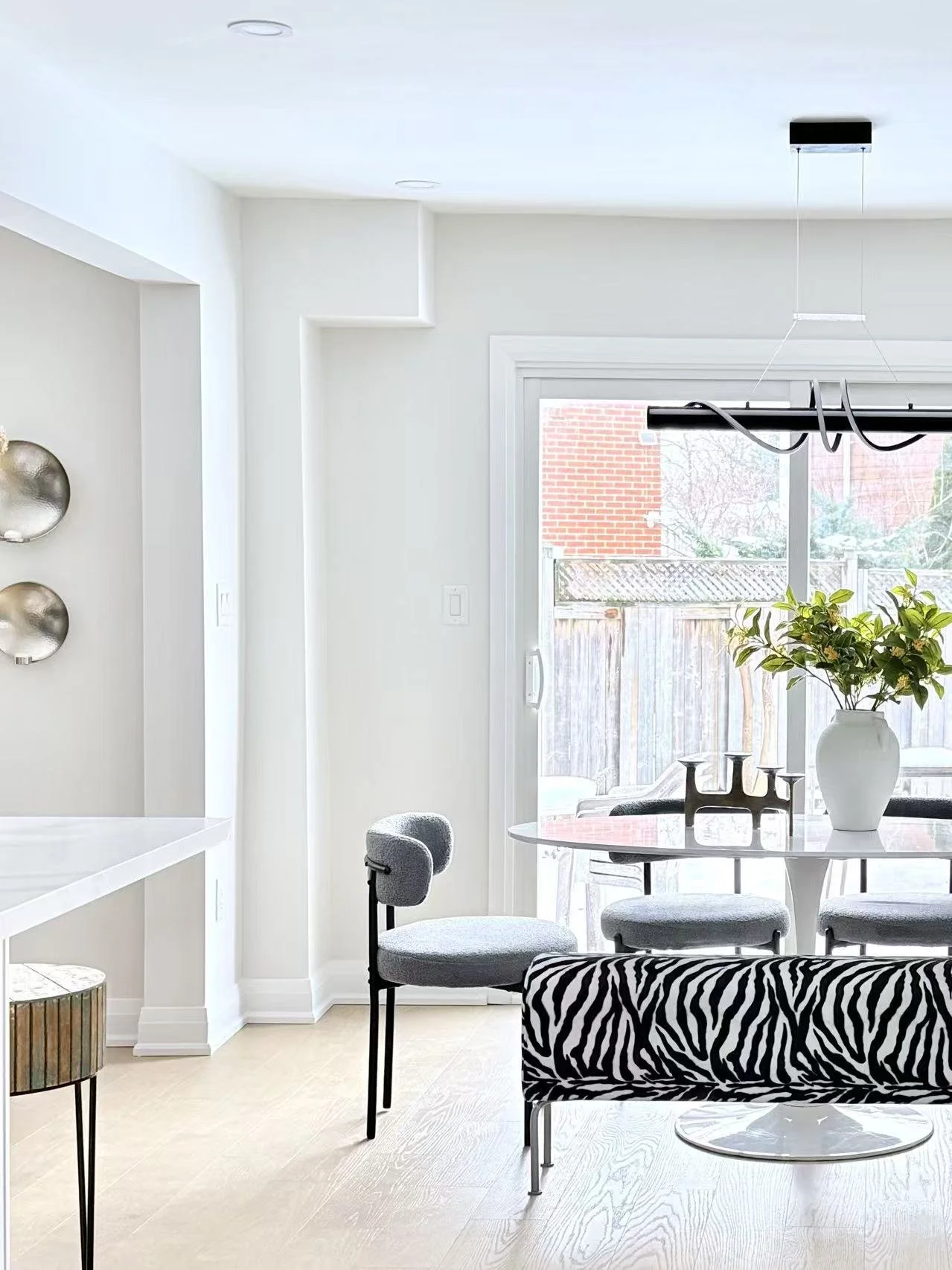
Cozy Dinning Area
From a daily living perspective, open layouts offer greater flexibility. Whether hosting family gatherings, supervising children, or simply cooking while staying connected with others, open spaces support a more natural flow of interaction. Many homeowners find that even without adding square footage, their homes feel more spacious and comfortable after renovation.
From a resale standpoint, open-concept layouts also tend to perform well. Many buyers today are drawn to homes that feel open, functional, and move-in ready. A well-planned open layout is easy to understand during a showing and often leaves a stronger first impression.
A More Practical Way to Think About Open-Concept Renovation
For older homes in Toronto, open-concept renovation works best when it is approached with intention rather than as a design trend. Many homeowners begin by wanting more openness, but the most successful projects start by understanding why the space feels closed — whether it’s limited natural light, inefficient circulation, or disconnected living areas.
When these underlying issues are clearly identified, open-concept solutions can be applied selectively and effectively. Improving the connection between key spaces, allowing light to travel more freely, and enhancing everyday usability often deliver the greatest impact, even without fully opening every area of the home.
Ultimately, a well-executed open-concept renovation is about balance. It respects the original structure of an older home while adapting it to modern living needs. When planned carefully and evaluated professionally, open-concept renovation can offer a meaningful improvement in comfort, functionality, and long-term value — without compromising practicality or character.
