Design-Build vs Traditional Renovation: What Works Better for Bathrooms in York Region
When planning a bathroom renovation in York Region, homeowners are often faced with an important decision early on: choosing between a traditional renovation model and a design-build approach. While both methods can deliver quality results, they differ significantly in structure, communication, cost control, and overall efficiency—especially for bathrooms, where coordination is critical.
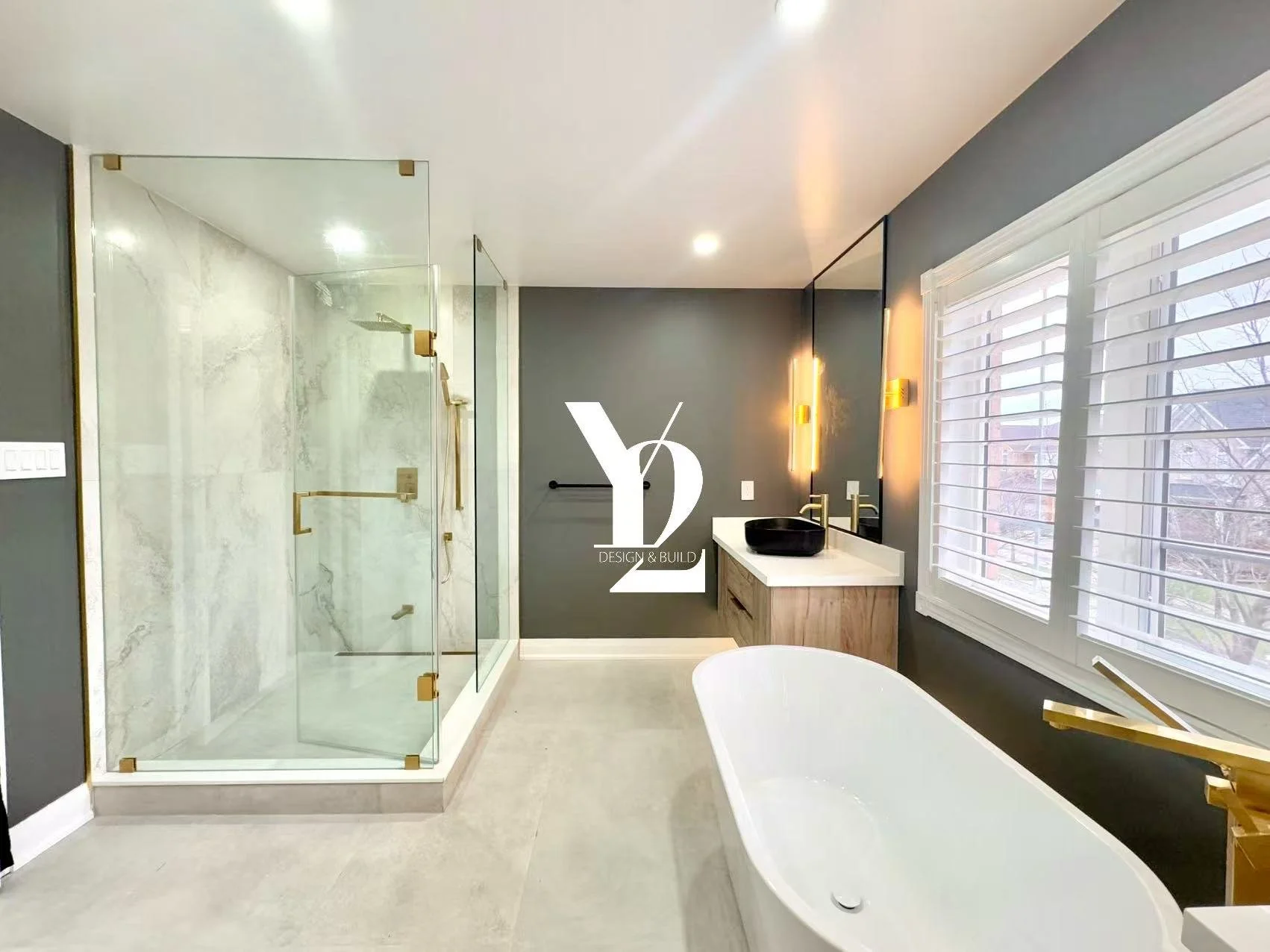
Bathroom’s Renovation
1. Project Structure and Responsibility
In a traditional renovation model, design and construction are handled separately. Homeowners usually work with a designer first and then hire a contractor to carry out the plans. This approach offers flexibility but often requires homeowners to coordinate between multiple parties.
With a design-build model, one integrated team manages both design and construction under a single contract. This streamlined structure simplifies responsibility, reduces miscommunication, and creates a more cohesive renovation process.
2. Traditional Renovation vs Design-Build Model
Under the traditional approach, designs are often finalized before construction realities are fully understood. As a result, adjustments during construction can lead to delays and additional costs—particularly in older York Region homes where hidden issues are common.
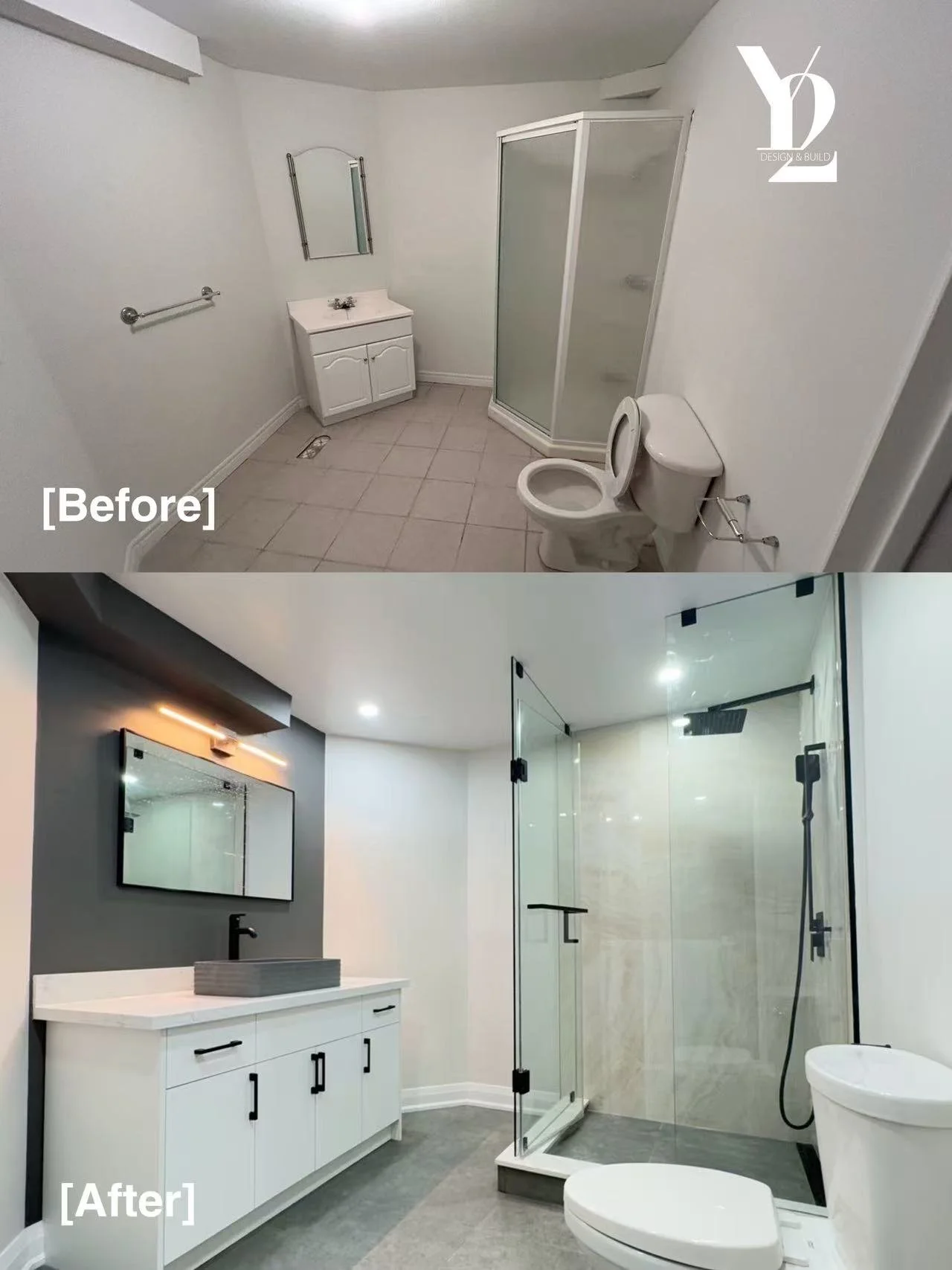
Bathroom’s Renovation (Before v.s. After)
In contrast, the design-build model considers budget, layout, materials, and construction constraints together from the beginning. This integrated planning allows for better decision-making early on, clearer accountability, and fewer surprises once construction begins.
3. Cost Transparency and Budget Control
Bathroom renovations frequently involve plumbing, waterproofing, and structural considerations. In traditional renovations, these complexities may only surface after construction starts, increasing the likelihood of change orders.
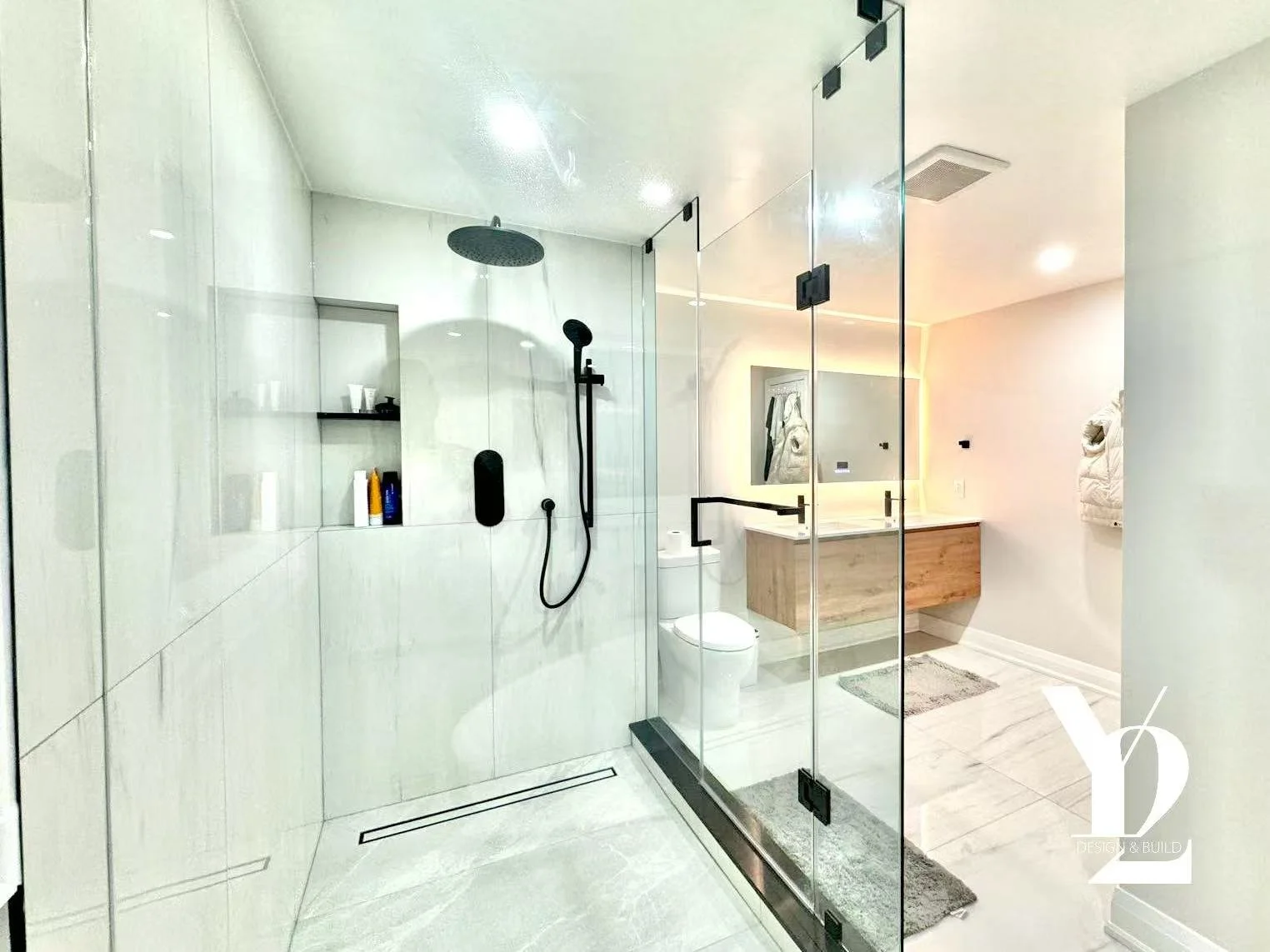
Bathroom’s Renovation (Design-Build)
Design-build teams factor construction feasibility into the design stage, helping homeowners maintain stronger budget control and more accurate cost expectations throughout the project.
4. Timeline and Efficiency
Traditional renovations often involve longer timelines due to separate design completion, contractor bidding, and scheduling phases. Any mid-project design changes can further extend the timeline.
With design-build, design and construction phases can overlap. Issues are addressed more quickly, decisions are made faster, and bathroom renovations are more likely to stay on schedule.
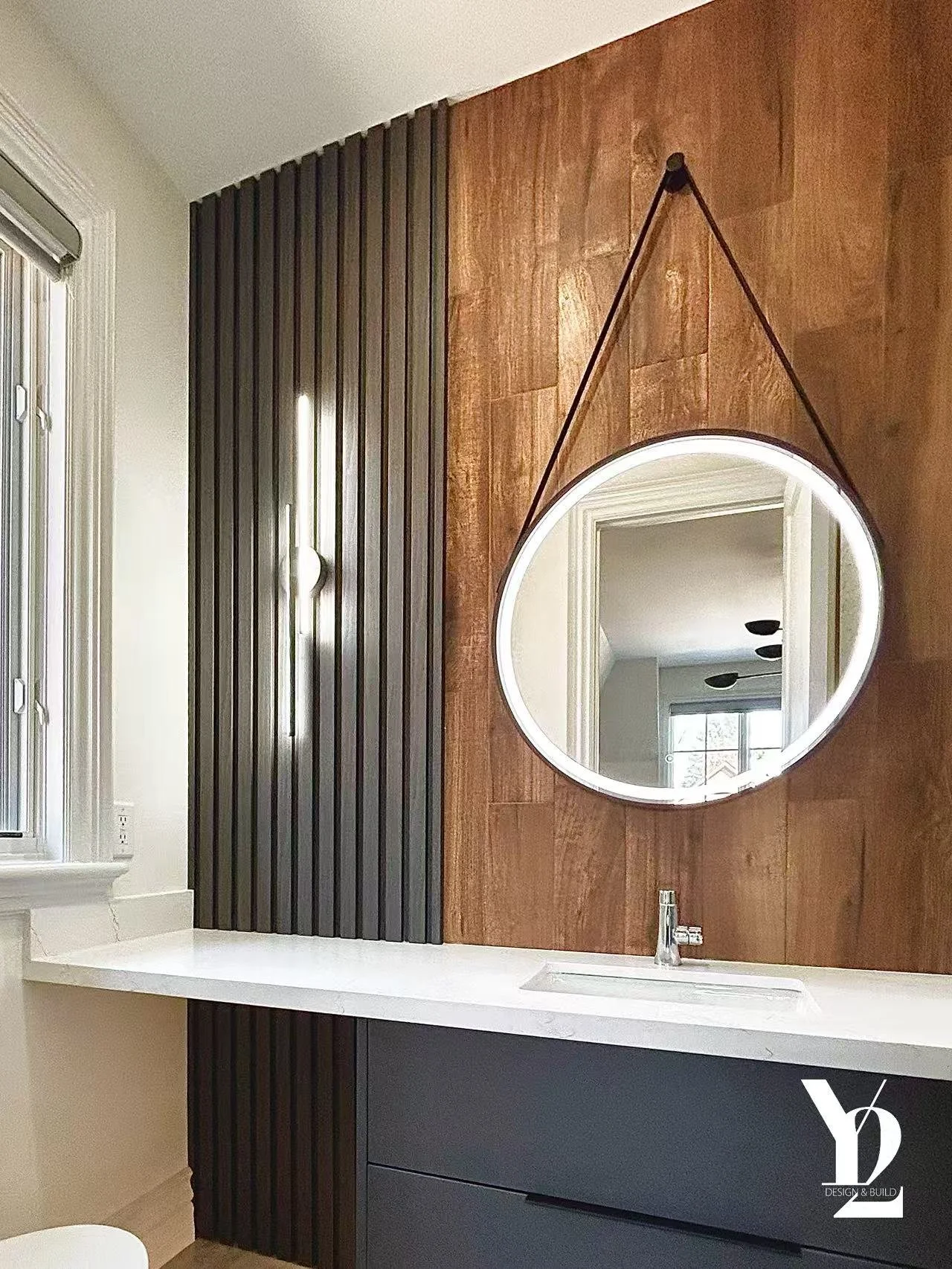
Bathroom’s Reno (Design-Build)
5. Communication and Decision-Making
Bathrooms are compact spaces where details matter. In a traditional renovation, homeowners may need to relay information between designers and contractors, increasing the risk of misalignment.
Design-build offers a single point of contact, simplifying communication and ensuring that design intent is consistently carried through to construction.
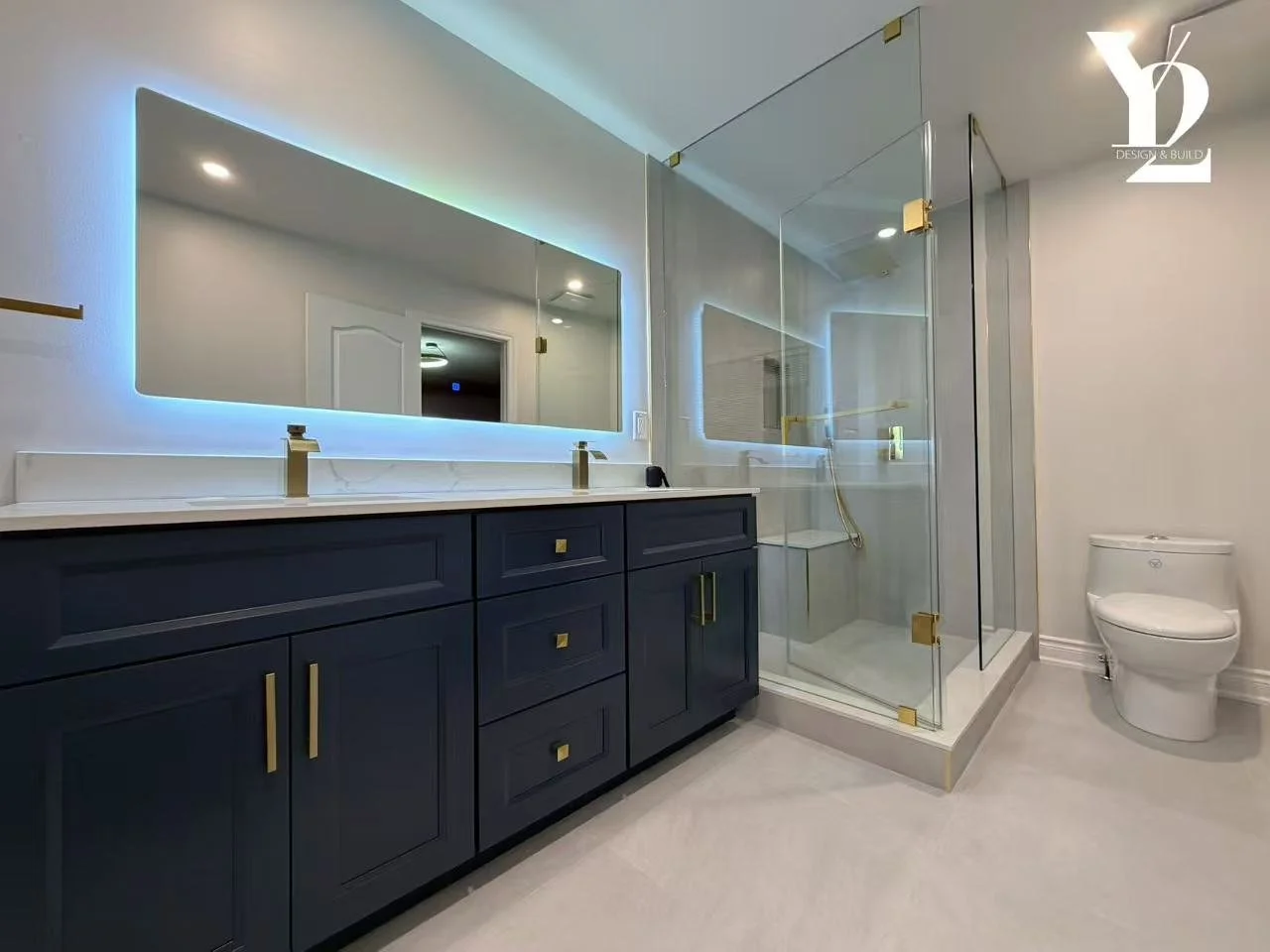
Bathroom’s Renovation (Design-Build)
6. Which Approach Works Better for Bathroom Renovations?
Because bathrooms require tight coordination between design, plumbing, waterproofing, and finishes, the design-build model is often better suited for bathroom renovations. It allows teams to anticipate technical challenges early and adapt designs accordingly.
That said, traditional renovations can still be a good option for homeowners who already have finalized designs or prefer managing each phase independently. However, for many York Region homeowners, design-build provides a smoother and more efficient renovation experience.
Final Thought
Both renovation approaches have their place, but for bathroom renovations in York Region, design-build often delivers better coordination, cost control, and overall efficiency. Homeowners seeking a streamlined process with fewer surprises may find that the design-build model better supports their renovation goals.
